Exploring Balanced Nutrition and Sustainable Well-being
Evidence-based insights into nutrition, wellness, and the principles of healthy living. An educational resource for understanding the science behind nutrition and sustainable lifestyle practices.
Understanding Nutrition Science
Nutrition is a fundamental pillar of human health and well-being. The relationship between what we eat and how our bodies function has been the subject of rigorous scientific research for decades. This educational resource explores the principles of balanced nutrition, examining how different nutrients work together to support our physical and mental health.
Rather than promoting quick fixes or unrealistic expectations, we focus on the evidence-based understanding of how nutrition, physical activity, sleep, and stress management contribute to sustainable well-being. Our mission is to demystify the science of nutrition and provide you with knowledge to make informed choices about your own health.

Core Principles of Healthy Nutrition
Dietary Variety
A balanced diet includes diverse food groups: fruits, vegetables, whole grains, proteins, and healthy fats. Each food group provides different essential nutrients that work together to support bodily functions.
Nutrient Density
Nutrient-dense foods provide substantial amounts of vitamins, minerals, and other beneficial compounds relative to their caloric content. Focus on whole foods rather than processed alternatives.
Sustainable Practices
Long-term health comes from developing sustainable eating habits that you can maintain throughout your life. This involves understanding your body's needs and making mindful, consistent choices.
Hydration and Wellness
Water is essential for nearly every bodily function. Proper hydration supports metabolism, digestion, temperature regulation, and cognitive function. Individual needs vary based on activity level and environment.
Lifestyle Integration
Nutrition doesn't exist in isolation. Sleep quality, physical activity, stress management, and social connections all play significant roles in overall well-being and health outcomes.
Individual Variation
Bodies are unique. Nutritional needs vary by age, gender, activity level, health status, and individual circumstances. Understanding your personal needs is key to informed decision-making.
Understanding Food Groups

The Five Basic Food Groups
A balanced approach to nutrition typically includes foods from five main categories:
- Fruits and Vegetables: Rich in vitamins, minerals, fiber, and phytonutrients. Aim for variety and color.
- Whole Grains: Provide carbohydrates, fiber, and B vitamins. Choose whole grain options over refined grains.
- Protein Sources: Essential for muscle, bone, and tissue maintenance. Include both animal and plant-based options.
- Dairy or Alternatives: Important sources of calcium and vitamin D for bone health.
- Healthy Fats: Support brain function, hormone production, and nutrient absorption.
The proportion and specific foods from each group can vary based on individual needs, cultural preferences, and dietary choices.
How Your Body Processes Nutrition
Understanding Metabolic Processes
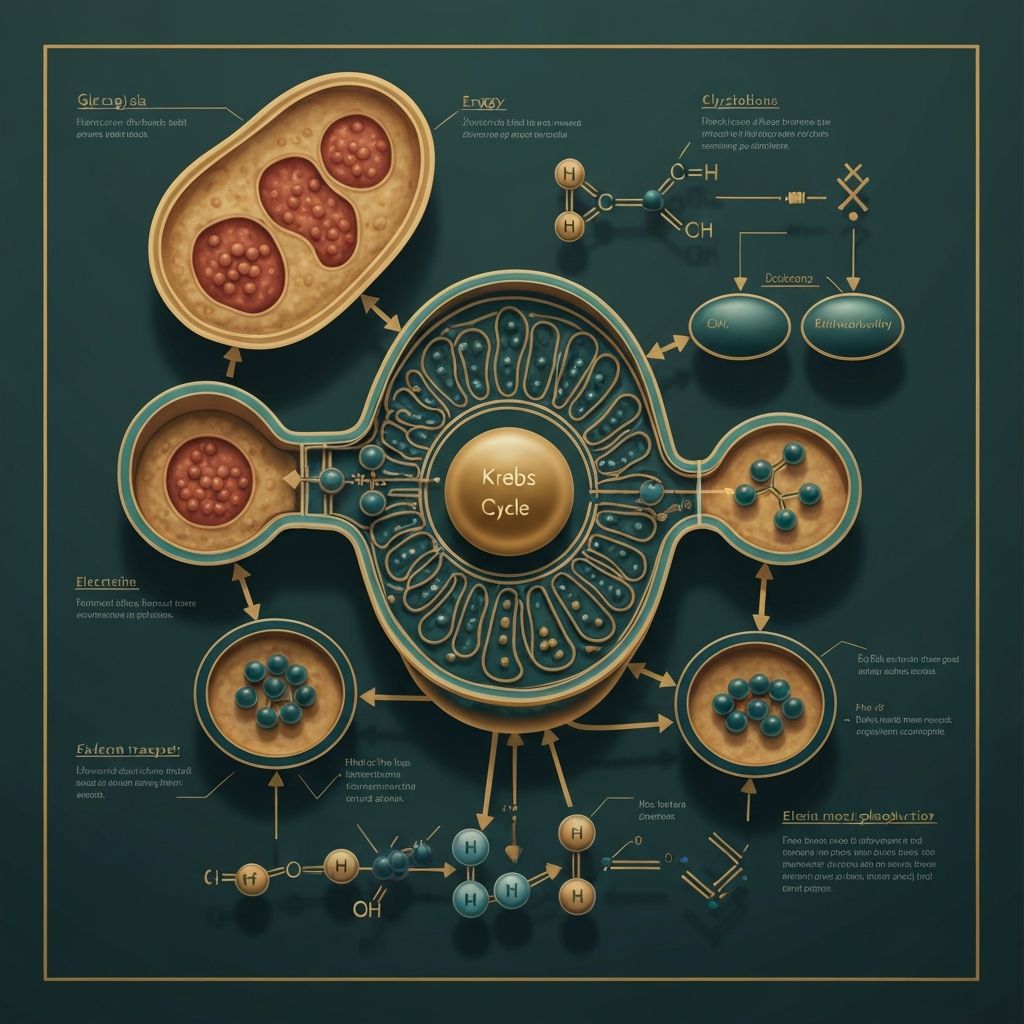
Metabolism refers to the complex chemical processes your body uses to convert food into energy. This process involves breaking down nutrients and either using them immediately for energy or storing them for later use.
Key factors influencing metabolic rate include age, sex, body composition, activity level, and genetics. Your body's metabolic rate is the amount of energy it needs to maintain basic functions like breathing, circulation, and cell production.
Energy Balance
The relationship between energy consumed (calories from food) and energy expended (through activity and metabolism) determines whether body weight remains stable, increases, or decreases. This is a complex process influenced by many factors including hormones, genetics, and lifestyle.
Nutrition and Lifestyle Integration
Physical Activity
Regular movement and exercise support cardiovascular health, bone strength, muscle maintenance, and mental well-being. Nutrition works synergistically with physical activity to support these outcomes.
Sleep Quality
Adequate sleep is essential for proper metabolic function, immune health, cognitive performance, and appetite regulation. Sleep and nutrition are deeply interconnected.
Stress Management
Chronic stress affects eating patterns, nutrient absorption, and metabolic function. Developing healthy stress management practices supports overall wellness alongside good nutrition.
Explore More
Read Our Blog
Discover evidence-based articles exploring various aspects of nutrition science, dietary practices, and sustainable well-being.
Visit BlogLearn About Kyloma
Understand our mission to provide educational resources about balanced nutrition and sustainable well-being practices.
About Us